
History of the SNC MC-145B Wily Coyote
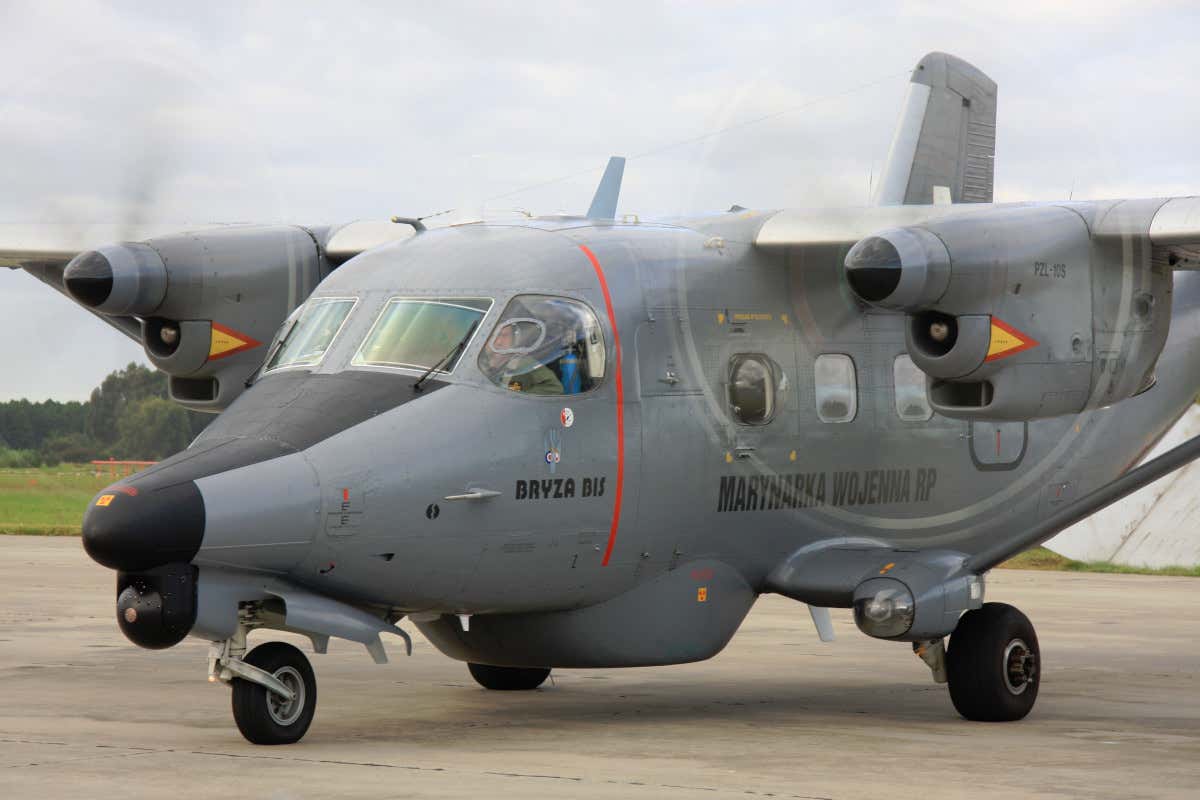
The SNC MC-145B, known as the "Wily Coyote," is a specialized aircraft derived from the Polish PZL M28 "Skytruck" and based on the Soviet-era Antonov An-28. It serves as a low-altitude, low-speed surveillance and support aircraft, originally designed for armed loitering support. Developed through collaboration between U.S. Special Operations Command (SOCOM) and Sierra Nevada Corporation (SNC), the MC-145B underwent modifications to enhance its capabilities, including the installation of specialized mission systems, sensors, and weapon customization options.
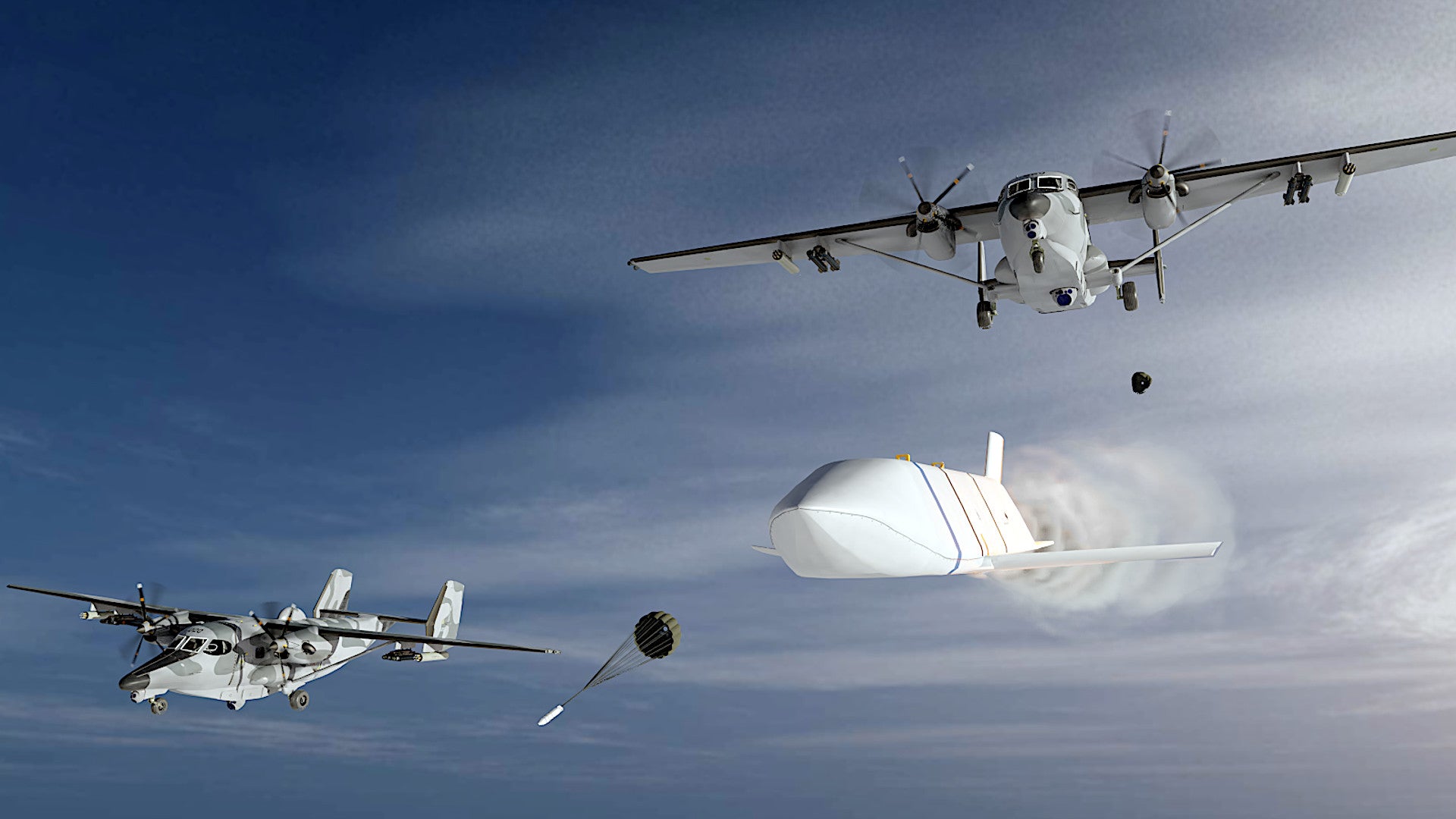
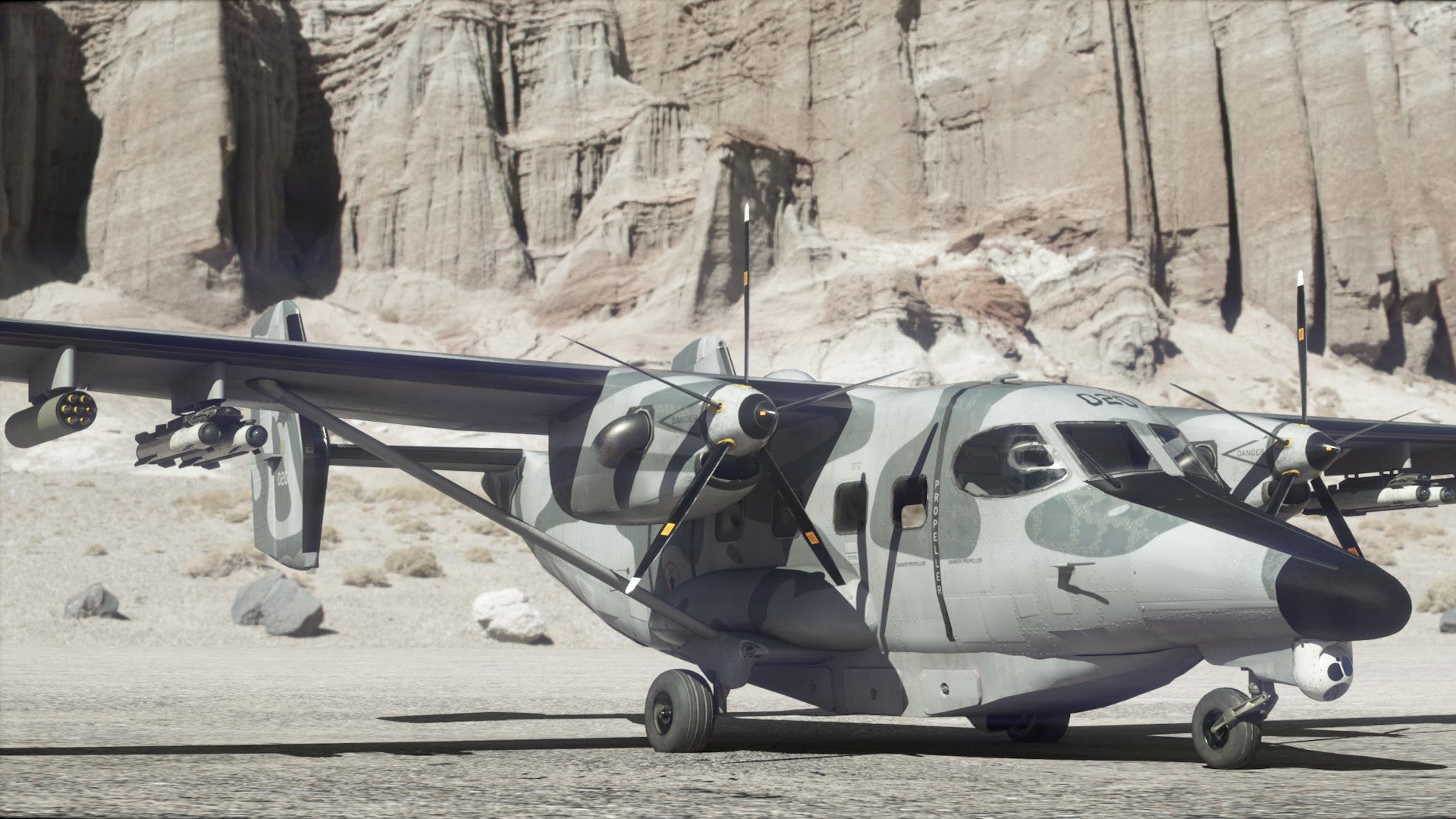
Externally, the MC-145B retains the robust design of the Polish M28, featuring shoulder-mounted wings for improved lift and drag, reinforced tricycle landing gear for operations on rough terrain, and a multi-engine configuration for safety and reliability. The aircraft's cargo bay can be configured to accommodate various mission requirements, including general cargo, paratroopers, medical evacuation, tactical airlift, and ammunition delivery. Equipped with advanced sensors and a retractable chin-mounted blister unit, the MC-145B offers versatility in surveillance and support missions.
Internally, the cockpit of the MC-145B features a two-seat digital layout with large multifunction displays (MFDs) for each crew member, redundant controls, and touchscreen panels for mission displays. The cockpit is designed to reduce crew workload with features such as autothrottle, autopilot, and safety mechanisms. Overall, the MC-145B "Wily Coyote" serves as a versatile and reliable platform for a wide range of special operations and support missions, making it a valuable asset for military and law enforcement agencies.
Specification
Basics
Years of Service: 2021
Origins: United States
Status: Active.
Crew: 2
Production: 3
Manufacturer: Sierra Nevada Corporation (SNC) / Lockheed Martin - USA; PZL Mielec - Poland
Operators: United States
Roles
Ground attack (bombing, strafing): The ability to conduct air strikes against ground targets using (but not limited to) artillery, bombs, rockets, rockets, etc.
Disable support (CAS): Designed to operate near active ground elements with a wide range of air-to-surface weapon and ammunition options.
Special mission: MEDEVAC: Extraction of wounded combat or civilian elements through specialized shipboard equipment and available internal volume or external carrying capacity.
Special Mission: Search and Rescue (SAR): Ability to locate and evacuate personnel from potentially hazardous or dangerous areas, such as downed pilots at sea.
Transportation: General transport function for moving supplies/cargo or people (including casualties and VIPs) out of range.
Intelligence Surveillance Reconnaissance (ISR), reconnaissance: Monitor ground targets/target areas to assess surrounding threat levels, enemy strength, or enemy movement.
Special Forces: Serve special forces/special operations forces and missions.
Notable Features
Radar Capability: Houses may house (via specialized variants) radars for searching, tracking, and attacking enemy elements.
Countermeasures: Onboard electronic or physical countermeasures taken by the aircraft or pilot/crew to enhance survivability.
Armor: Armor assigned to protect the pilot/crew compartment and/or critical operating systems enhances survivability.
Multi-engine: Include two or more engines to improve survivability and/or performance.
Sturdy aircraft frame: The inherent ability of the airframe to take significant damage.
Inner bay: Hull volume includes space for internal weapons or special mission equipment.
Extended range performance: Ability to travel long distances using on-board fuel supplies.
Depression in crew members: Support the pressurization required for crew survival at higher operating altitudes.
Crew management: In addition to the pilot, the aircraft also employs additional crew members who specialize in specific functions on the aircraft.
Closed crew room: There are partially or fully enclosed crew work areas.
Extended Access: The design includes features to facilitate loading/unloading of cargo/people from the aircraft.
Dimensions and Weight
Length: 43.0 feet (13.11m)
Width/span: 72. 3 feet (22.04m)
Height: 16. 1 ft (4.91m)
Cured weight: 9,921 lbs (4,500 kg)
MTOW: 16,535 lbs (7,500 kg)
Main Aircraft Structure
Monoplane: Designed to use a single main wing main aircraft; this is the most popular arrangement of main aircraft.
Shoulder: The main aircraft is mounted on the upper part of the fuselage, usually on an imaginary line that intersects the pilot's shoulders.
Straight: Floor plans involve the use of simple, straight main plan elements.
Performance
Installed: 2 x Pratt & Whitney PT6A-54B turboprops, each driving a five-bladed propeller unit.
Maximum speed: 258 km/h (415 km/h | 224 knots)
Cruising speed: 205 km/h (330 km/h | 178 knots)
Maximum speed difference: +53 km/h (+85 km/h | 46 kn)
Maximum: 25,000 feet (7,620 m | 5 km)
Area: 1,162 km (1,870 km | 3,463 nautical miles)
Rate of climb: 2,420 ft/min (738 m/min)
Weapon
Variant: Ramp-launched GBU-69 Small Glide Ammunition/Thor AGM-176 "Griffin" PGM-Dropping Bomb/Guided Bomber. AGM-114 Hellfire Anti-Tank Missiles (ATGM), AGR-20 APKWS Precision Guided Missiles and/or GBU-39 Small Diameter Bombs (SDB) via four external underwing mount points.
 Argentina
 Armenia
 Australia
 Austria
 Austria-Hungary
 Belgium
 Brazil
 United Kingdom
 Brunei
 Bulgaria
 Canada
 Chile
Chile China
China Colonial America
 Colombia
 Confederate States
 Croatia
 Czech
Czech Denmark
 Egypt
Egypt Finland
 France
 Georgia
 Germany
 German Imperial
 Greece
 Holland
 Hungary
 India
India Indonesia
 Iran
Iran Iraq
Iraq Ireland
 Israel
 Italy
Italy Japan
Japan Japan (1940)
 Jordan
 Kingdom of Italy
 Malaysia
 Mexico
 Myanmar
 Nazi Germany
 Netherlands
 New Zealand
 North Korea
 Norway
 Pakistan
 Peru
Peru Philippines
 Poland
 Portugal
 Prussia
 Romania
 Russia
 Saudi Arabia
 Serbia
 Singapore
 Slovakia
 Slovenia
 South Africa
 South Korea
 Soviet Union
 Spain
Spain Sweden
 Switzerland
 Syria
Syria Taiwan
 Thailand
 Turkey
 UAE
UAE Ukraine
 Vietnam
 Yugoslavia